The Winter Skin Crisis: Common Ailments and Essential Care
The winter season brings the joy of holidays, festive cheer, and a welcome drop in temperature across many parts of India, especially in the North. However, this shift in climate—characterized by a significant drop in humidity and often compensated by dry indoor heating—can turn your healthy complexion into a landscape of dryness, itchiness, and irritation. For Indian readers navigating the cold, understanding these common winter skin ailments and adopting a defensive skincare strategy is key to maintaining skin health.
The Science Behind Winter Skin Woes in India
The main culprit behind winter skin issues is the environmental change. Cold air inherently holds less moisture. Across northern and central India, the dry, crisp winter winds can rapidly strip the skin of its natural oils (sebum), compromising the crucial outer barrier, the stratum corneum. Furthermore, the use of room heaters and blowers indoors, while comforting, actively pulls moisture out of the air, creating an intensely dry micro-environment. This dual attack leads to a damaged skin barrier, making the skin vulnerable to irritation and inflammation.
Common Winter Skin Ailments in India
1. Xerosis (Winter Itch or 'Sardiyon ki Khujli')
This is the most widespread complaint. Xerosis is defined by skin that feels tight, flaky, and intensely itchy. The lack of humidity causes skin cells to shrink and the surface to crack, often appearing white or scaly. Constant scratching—a common reflex—can lead to breaks in the skin, increasing the risk of secondary bacterial or fungal infections.
2. Eczema (Atopic Dermatitis) Flare-ups
For individuals with existing sensitive skin or a history of eczema, winter is often the season of painful flare-ups. The dry air is a powerful trigger, causing the skin to become red, inflamed, and intensely itchy, sometimes developing painful, weeping patches. The compromised barrier allows common irritants (like rough woollen clothing or harsh soaps) to penetrate the skin more easily.
3. Psoriasis Aggravation
Similar to eczema, the reduced moisture and low sun exposure (Vitamin D synthesis) in winter can significantly exacerbate Psoriasis. This condition leads to the rapid buildup of skin cells, resulting in thick, silvery-scaled plaques. Many Indian dermatologists report an increase in the severity and size of psoriatic plaques during the colder months.
4. Chapped Lips and Cheilitis
Our lips have very thin skin and lack oil glands, making them highly susceptible to moisture loss. While chapped lips are a common nuisance, persistent cracking, especially at the corners of the mouth, may indicate Angular Cheilitis. This condition often involves a secondary fungal or bacterial infection capitalizing on the damaged skin barrier.
5. Chilblains (Pernio or Swelling of Fingers/Toes)
This is an abnormal response to cold exposure, typically affecting the hands and feet. It manifests as small, itchy, red or purple swellings often seen when hands and feet are rapidly warmed after being exposed to cold weather. It is common in regions experiencing a significant dip in temperature.
Essential Winter Skin Care Solutions for Indian Homes
Fighting winter ailments requires a conscious shift in routine, keeping the local environment in mind:
-
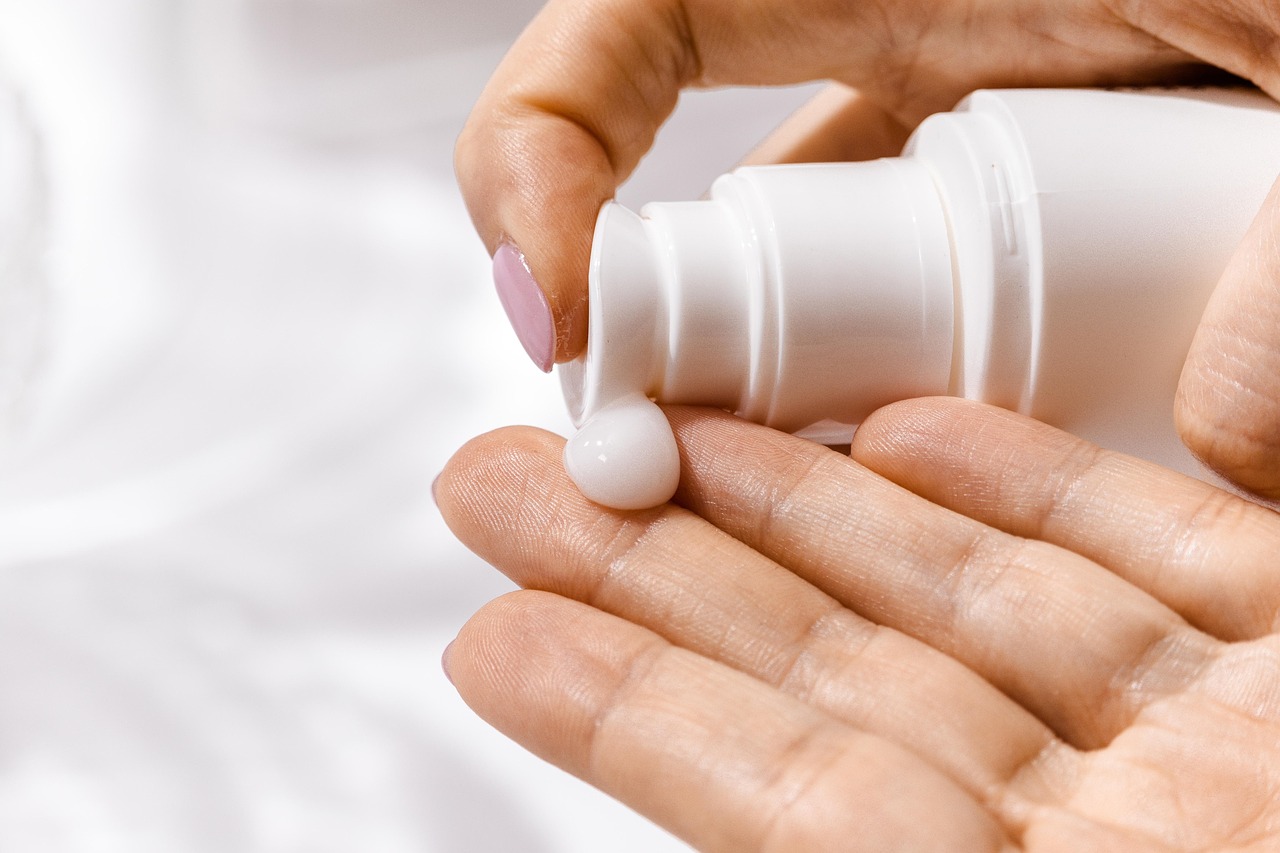
Switch to Heavy Moisturisers (Cream/Ointment): Ditch light lotions for thicker, richer creams or ointments. Look for ingredients like Ceramides, Shea Butter, Coconut Oil (Nariyal Tel), and Glycerin, which are excellent for barrier repair and widely available across India. Apply them within minutes of bathing.
-
Moderate Bathing Temperature: The irresistible urge for scalding hot showers must be curbed. Use lukewarm water and keep your bathing time short, as prolonged hot water exposure strips vital skin oils.
-
Embrace Humidification: If you use room heaters, placing a humidifier in your bedroom can significantly counteract the drying effect. A simple method is to place a bowl of water near the heater to allow water to evaporate back into the air.
-
Gentle Cleansing: Opt for a soap-free, pH-balanced cleanser (syndet bar or gentle wash). Avoid harsh, perfumed soaps that are common in India but can drastically increase dryness and irritation.
-
Protection is Paramount: Always wear gloves, socks, and scarves when stepping out, especially in windy weather, to shield exposed skin from the wind chill.
By recognizing these common winter enemies and adopting a high-moisture, protective routine, you can ensure your skin remains comfortable, healthy, and resilient throughout the chilly Indian winter.
Consultation with Dr. Ravish Pai
Get doctor-led clinical care for your skin and hair concerns at our clinic in Akshayanagar, Bangalore.
Appointment InformationExplore Our Services
Clinical Services Hub
Explore our complete range of 20+ medical dermatology treatments.
About Dr. Ravish Pai
Learn about Dr. Pai's credentials, qualifications, and patient philosophy.
Dr. Pai Clinic Homepage
Visit our homepage to view hours, location map, and clinic details.
Contact Clinic
Get directions to Akshayanagar clinic and call our patient desk directly.
Medical Disclaimer: This article is intended for educational purposes only and does not substitute for professional medical advice or consultation.
